Advertisement in importent by zaa enterprises

Why Advertisement is Important for Brands and Companies?

A great product does not sell itself. A well-run office, a good school, or a quality manufacturing unit can offer real value and still struggle to grow if the right people never hear about it. This is exactly where the importance of advertising for brands and companies comes in — it is the bridge between what a business offers and the customers who need it.

Advertising is not just about big television campaigns or expensive billboards. For most businesses in Pakistan, it is a mix of smart, practical steps: a clear message, consistent branding, and the right combination of print and digital tools to reach the intended audience. Whether you run a small retail shop in Lahore or manage a growing company with multiple branches, advertising decides whether people know you exist at all.

What is Advertising and Why Does It Matter?

Advertising is the process of communicating information about a product, service, or brand to a target audience, with the goal of creating awareness and encouraging action. It can take many forms — a printed brochure, a signboard outside an office, a social media post, or a well-designed catalogue handed to a client.

At its core, advertising matters because it connects supply with demand. A business can have the best pricing or the most reliable service, but without advertising, that message never reaches the people who would actually buy from them. It turns a hidden business into a visible one.

Why Advertising is Important for Brands and Companies

Understanding the importance of advertising for brands and companies becomes clearer when you look at the specific ways it supports a business. Here are the main reasons companies, schools, offices, and institutions invest in it.

1. Builds Brand Awareness — Advertising introduces your name to people who have never interacted with your business before. Repeated, consistent exposure — through signage, print materials, or online content — helps a brand become familiar rather than unknown.

2. Increases Brand Visibility — Being visible in the right places, whether that’s a banner outside your office or a listing in a local directory, keeps your business in front of potential customers at the moments they are making decisions.

3. Helps Attract New Customers — Clear, well-placed advertising brings in people who were not actively searching for you but respond to a message that speaks to their needs.

4. Builds Brand Recognition and Trust — When your logo, colors, and messaging appear consistently across business cards, letterheads, and packaging, customers start to recognize and trust your brand faster.

5. Communicates Products and Services — Not every customer knows the full range of what you offer. Advertising through brochures, flyers, and catalogues explains your services clearly and directly.

6. Helps Businesses Stay Competitive — In almost every industry, competitors are advertising too. A business that stays quiet risks being overlooked in favor of one that stays visible.

7. Supports Sales and Business Growth — More visibility and awareness typically translate into more inquiries, more foot traffic, and ultimately, more sales — helping a business grow steadily over time.

8. Helps Reach the Right Target Audience — Good advertising is targeted. Choosing the right channel, location, and message means your budget reaches people who are actually likely to become customers.

9. Strengthens Customer Engagement — Advertising is not always one-directional. Well-designed promotional materials, events, and campaigns invite customers to interact with a brand, ask questions, and build a relationship.

10. Creates Long-Term Brand Value — Every advertising effort adds to how a brand is perceived over time. Consistent, professional advertising builds a reputation that keeps paying off long after a single campaign ends.

Different Types of Advertising Businesses Can Use

There is no single “correct” way to advertise — the right mix depends on your audience, budget, goals, and industry. Common types include:

  • Print advertising
  • Brochures and flyers
  • Business cards
  • Catalogues and books
  • Posters and banners
  • Flex printing and vinyl printing
  • Indoor advertising
  • Outdoor advertising
  • Promotional products (mugs, pens, bags, etc.)
  • Corporate stationery
  • Custom printed marketing materials
  • Digital advertising (social media, websites, online ads)

Many businesses in Lahore and across Pakistan combine traditional print advertising with digital marketing. A restaurant, for example, might run social media ads while also using printed menus, table tents, and outdoor signage. A school might rely on printed prospectuses and banners alongside a website and social media page.
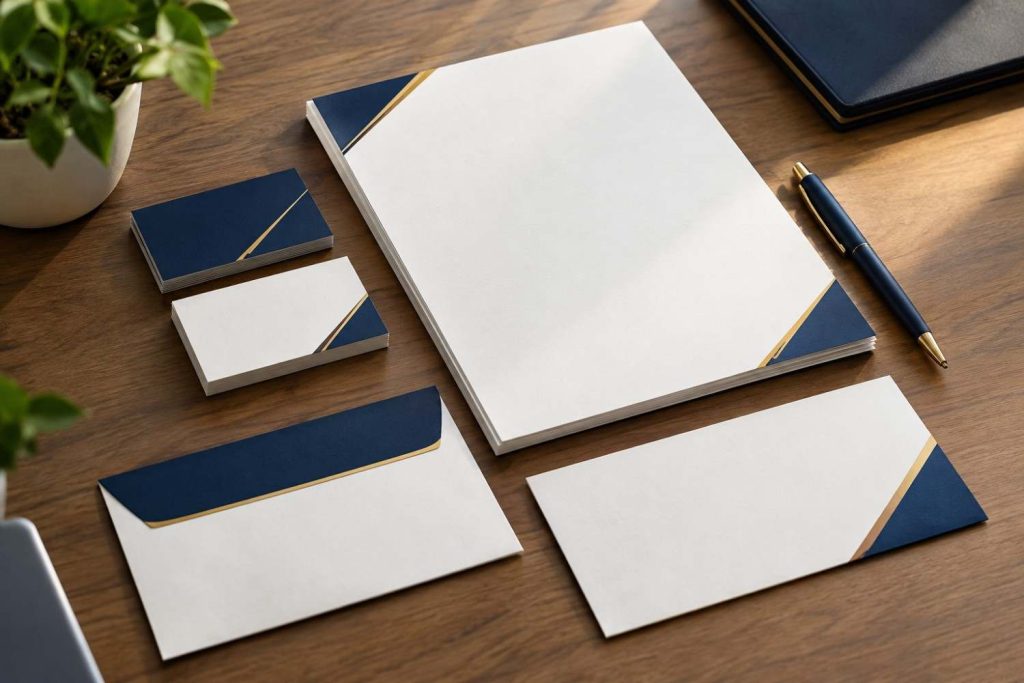
Business Cards Letterheads Corporate Stationery by ZAA Enterprises

Why Print Advertising Still Matters in the Digital Age

It’s easy to assume that once a business has a social media page, printed materials become unnecessary. In practice, print advertising continues to play a strong role, even for digitally active brands.

Items such as business cards, brochures, flyers, company profiles, product catalogues, letterheads, envelopes, promotional banners, posters, and branded stationery give a business a physical presence that digital content cannot replace. A well-printed business card handed over in a meeting often leaves a stronger impression than a digital contact shared over WhatsApp.

Physical marketing materials also support:

  • Professionalism — a printed company profile or catalogue signals that a business is established and serious.
  • Brand recall — people are more likely to remember a brand when they can physically hold or see its materials repeatedly.
  • Customer interaction — printed flyers, menus, or brochures give customers something tangible to browse at their own pace.
  • Offline visibility — not every customer is online at the moment they need a service; signage, banners, and printed materials reach them where digital ads cannot.

How Professional Printing Supports Brand Advertising

Advertising and printing are closely linked. A brand’s message only works if it looks consistent and professional wherever it appears — on a business card, a banner, a letterhead, or a product catalogue.

Consistency in logos, colors, typography, messaging, and layout across all printed materials helps customers instantly recognize a brand, whether they’re looking at an invoice, a flyer, or a signboard outside an office. Inconsistent or poor-quality printing, on the other hand, can make even a good brand look unreliable.

This is why choosing a dependable printing partner matters. Businesses, schools, and institutions that want their advertising materials to reflect their actual quality typically work with professional printing services that understand branding, not just printing. ZAA Enterprises, a Lahore-based general order supplier and printing solutions company, works with businesses, offices, schools, and institutions on exactly this — producing corporate stationery, brochures, flyers, catalogues, flex and vinyl printing, and other branded materials that stay consistent with a company’s identity.

Indoor vs Outdoor Advertising

Both indoor and outdoor advertising play a role in a complete advertising strategy, and each works best in different settings.

Indoor advertising includes signage, banners, posters, and promotional displays placed inside a business — such as a reception area, showroom, office, or retail counter. It reinforces branding for people who are already inside your space and helps guide their attention toward specific products, offers, or services.

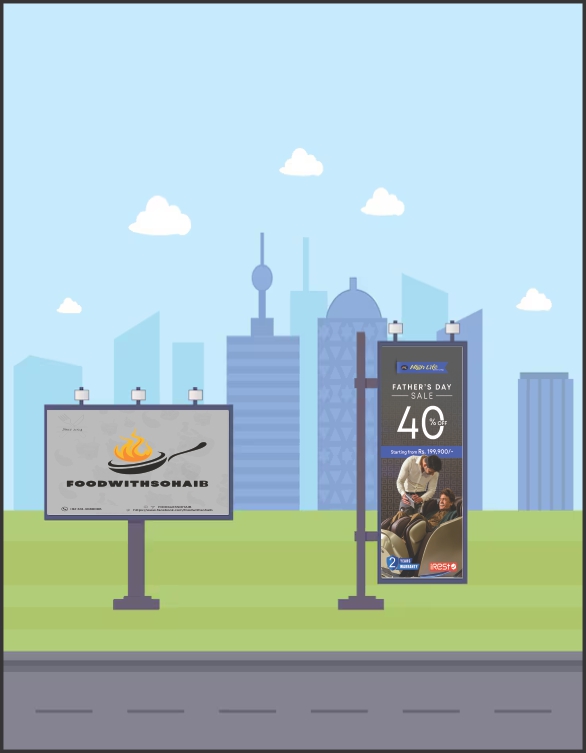
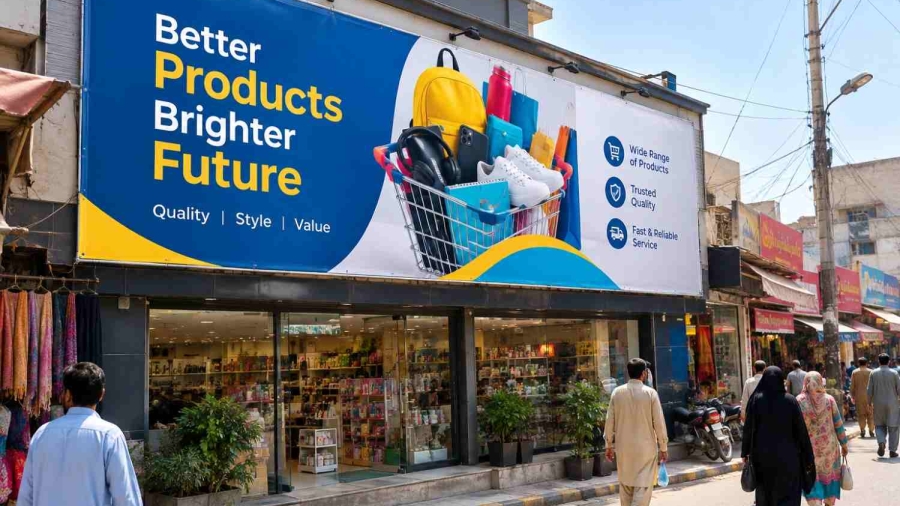
Outdoor advertising includes signboards, flex banners, hoardings, and vinyl displays placed outside a business or in public spaces. It works to attract attention from people passing by, building visibility for those who may not yet know the business exists.

A shop in a busy Lahore market might rely on outdoor signage to draw in walk-in customers, while using indoor banners and promotional displays to highlight ongoing offers once customers step inside.

How Businesses Can Create an Effective Advertising Strategy

A few practical steps can help any business — small or large — build an advertising approach that actually works:

  • Define your target audience clearly before choosing where to advertise
  • Set specific, measurable advertising goals
  • Maintain consistent branding across every material and channel
  • Choose advertising channels that match where your audience actually is
  • Invest in professional-quality materials rather than cutting corners
  • Use a combination of online and offline (print) marketing
  • Track results and learn which channels perform best
  • Review and update campaigns regularly instead of repeating the same materials indefinitely
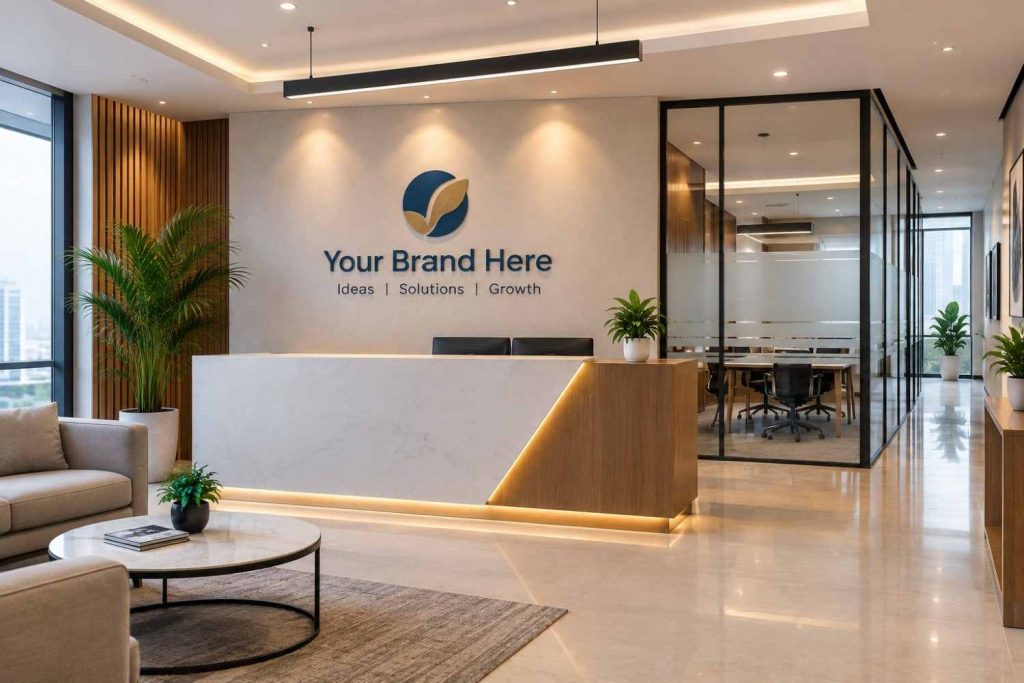
Indoor Office Signage by ZAA Enterpris

Why Businesses Should Invest in Quality Advertising Materials

Poor-quality printing — blurry logos, mismatched colors, cheap paper, or careless design — can quietly damage a company’s image, even if the product or service behind it is excellent. Customers often judge professionalism based on what they can see and touch before they experience the service itself.

High-quality advertising and printed materials, on the other hand, help create a stronger first impression. A well-printed brochure, a crisp business card, or a properly finished banner tells a customer that a business pays attention to detail — and that impression carries over to how they view the business as a whole.

Advertising as a Long-Term Investment

It’s worth shifting how advertising is viewed: not as a one-time expense, but as an ongoing investment. Planned correctly, advertising contributes to brand awareness, customer acquisition, credibility, and steady sales growth over months and years, not just during a single campaign.

Businesses that treat advertising as a continuous effort — refreshing materials, adjusting messaging, and staying visible both online and offline — tend to build more durable customer relationships than those that advertise only occasionally.

Conclusion

The importance of advertising for brands and companies comes down to one simple fact: customers cannot choose a business they don’t know about. Whether through digital marketing, print advertising, indoor advertising, outdoor advertising, or promotional materials, a consistent advertising effort builds visibility, trust, and long-term growth.

For businesses, schools, offices, and institutions in Lahore looking to strengthen their advertising with professional printing and branded materials, working with an experienced local partner can make the process easier. ZAA Enterprises offers printing services, corporate stationery, promotional materials, and general order supplies for businesses across Pakistan — supporting the kind of consistent, professional advertising presence every growing brand needs.

FAQs

Why is advertising important for a business?

Advertising helps a business reach people who don’t yet know it exists, communicate its products or services clearly, and build the kind of visibility that leads to inquiries, customer trust, and sales. Without it, even a strong business can stay unnoticed in a competitive market.

How does advertising help build brand awareness?

Repeated, consistent exposure through signage, print materials, and digital content keeps a brand’s name in front of potential customers. Over time, this familiarity helps people recognize and recall the brand when they need a related product or service.

What are the benefits of print advertising?

Print advertising offers a tangible, professional presence through items like business cards, brochures, banners, and catalogues. It supports brand recall, works well for offline audiences, and often leaves a stronger impression than purely digital contact.

Is print advertising still effective today?

Yes. While digital marketing reaches online audiences, print materials such as signage, brochures, and corporate stationery remain valuable for face-to-face interactions, local visibility, and reinforcing a professional brand image that digital ads alone can’t replicate.

What is the difference between indoor and outdoor advertising?

Indoor advertising includes signage, banners, and displays placed inside a business to guide customers already present. Outdoor advertising includes signboards, flex banners, and hoardings placed in public view to attract people who haven’t yet entered the business.

How can professional printing help a business?

Professional printing ensures logos, colors, and messaging stay consistent across all materials, creating a polished brand identity. It also avoids the poor impression that low-quality printing can leave, helping a business look established and trustworthy.
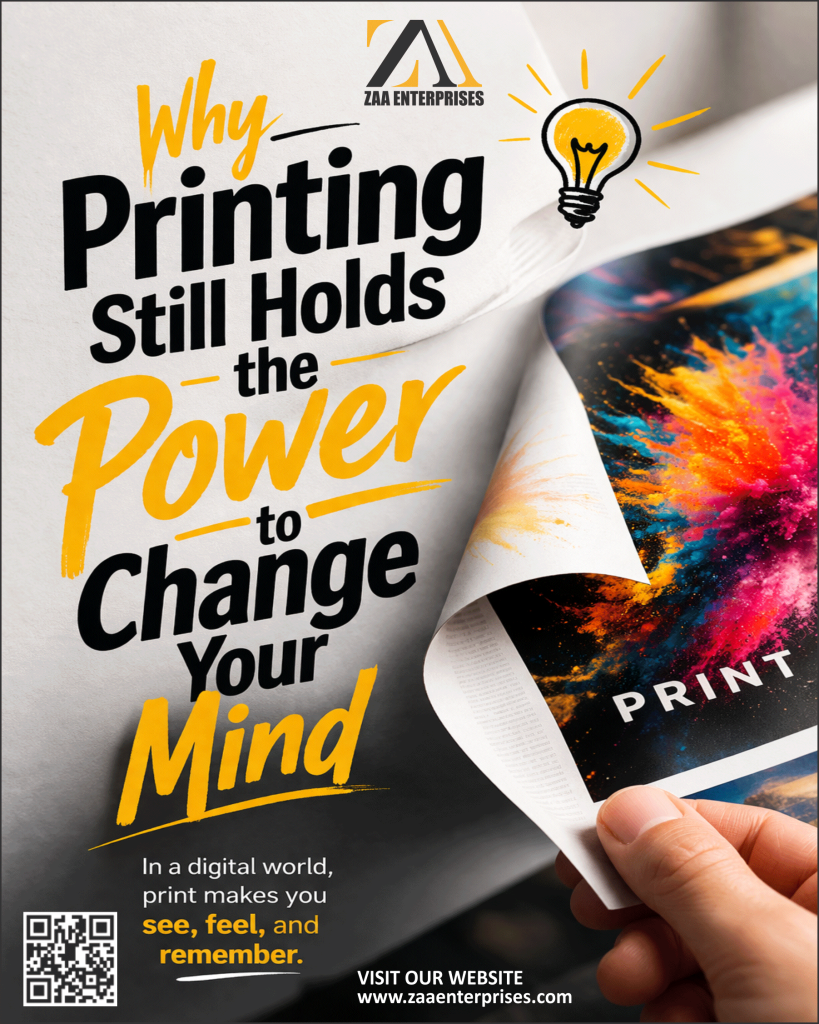
Why-printing-still-Hold

Why Printing Still Holds the Power to Change Your Mind??

Why Printing Still Holds the Power to Change Your Mind???

ZAA Enterprises is a trusted general order supplier providing high-quality printing, office supplies, and branding solutions for businesses across Pakistan

Our Services

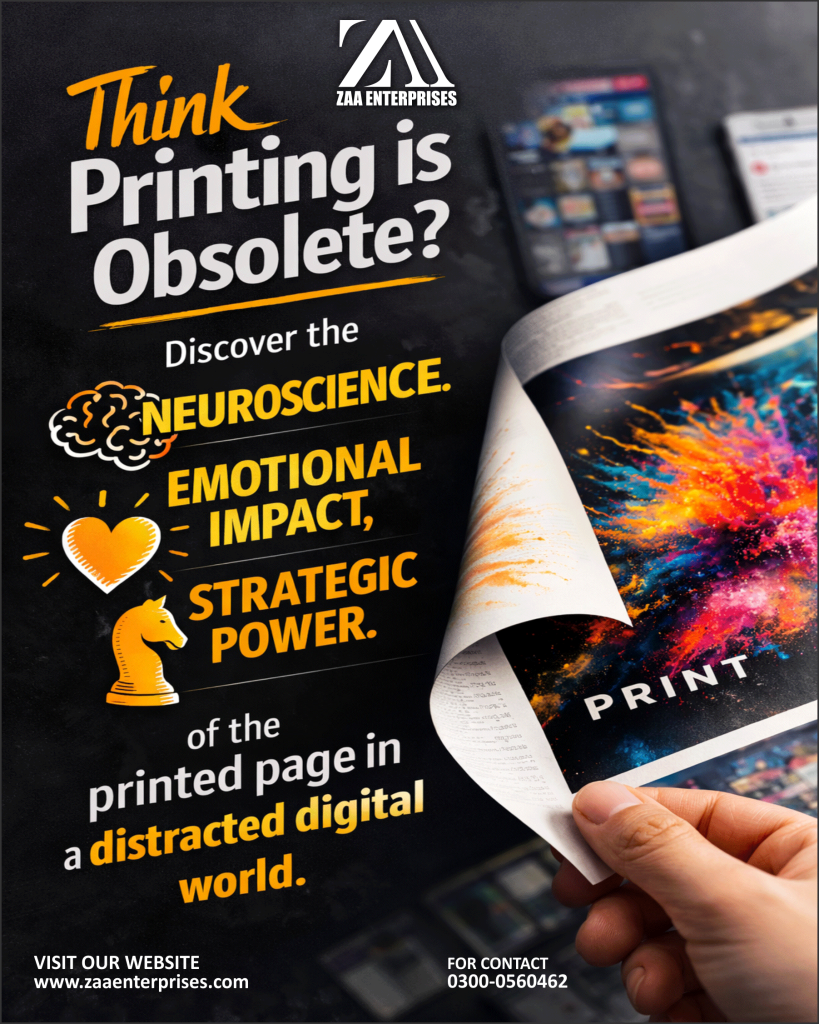
Think printing is obsolete? Discover the surprising neuroscience, emotional impact, and strategic power of the printed page in a distracted digital world.

Introduction

I recently found myself staring at two documents. On my left screen was a brilliantly designed, interactive PDF. In my right hand was a black-and-white, stapled printout of the exact same text. Which one did I actually understand?

The answer shocked me. As I read the digital version, I caught myself skimming, checking email, and mentally composing a grocery list. But with the paper version, a strange calm settled over me. I grabbed a pen, underlined a sentence, and folded a corner. In an age of artificial intelligence and cloud computing, this ancient act of printing felt almost rebellious.

We have been told for three decades that we are heading toward a “paperless office.” Yet, according to a 2022 report by Two Sides, 81% of consumers still prefer reading from paper for long-form documents, and global paper consumption is actually projected to rise. Why?

Because printing isn’t just about putting ink on a tree. It is a neurological hack. It is a declaration of focus. And if you are an entrepreneur, a student, or a creative professional, ignoring the power of the printed page is hurting your productivity.

This isn’t a Luddite manifesto. It is a strategic deep dive into why the physical page is your secret weapon against digital noise.

The Great Digital Delusion: Speed vs. Comprehension

We assume digital is faster. And it is—for retrieval. But for retention, the data tells a different story.

A landmark study from the University of Valencia found that readers using screens scored significantly lower on reading comprehension and plot retention than those reading on paper. Why? The researchers pointed to the lack of “spatial navigation.” When you read a physical book or a printed report, your brain creates a mental map (e.g., “The fact I need is near the bottom of the left page, close to that coffee stain”). You lose that spatial anchor on a scrolling screen.

Furthermore, the blue light emitted by screens, combined with the constant temptation of notifications, creates a low-grade cognitive load. Your brain is always half-listening for a ping.

This is where printing becomes a performance tool. When you hit “print,” you are actually hitting “pause” on the digital chaos.

The Tactile Advantage

  • Visual Haptic Response:The weight of the paper, the texture, and the act of turning a page send sensory signals to the brain that enhance memory encoding.
  • Reduced Distraction:Paper doesn’t have a notification badge. A printed document is a single-task device in a multi-tasking world.
  • Annotation Power:Writing by hand on a printed page activates the Reticular Activating System (RAS) in your brain, filtering out unnecessary stimuli and focusing on the task at hand.

“Digital reading encourages ‘non-linear’ reading—jumping, searching, and scanning. Paper encourages deep, linear focus,” says cognitive neuroscientist Maryanne Wolf.

The Emotional ROI: Why Marketing Still Loves Print

As a marketer, I made the mistake of going “digital only” for a product launch last year. We had great click-through rates, but zero brand recall. When we added a simple, well-designed printed postcard to the follow-up sequence, engagement jumped 35%.

Printing forces a physical commitment that digital cannot fake.

Consider the “Endowment Effect”—a psychological quirk where we assign more value to things we physically own. A digital ad disappears with a swipe. A brochure sits on a coffee table for weeks. A handwritten note taped to a mirror changes behavior.

Table: Digital vs. Print – The Experience Gap

Feature

Digital Screen

Printed Paper

Cognitive Load

High (distractions, blue light)

Low (single focus)

Emotional Connection

Low (transient)

High (tactile, permanent)

Speed of Reading

Fast (skimming)

Moderate (comprehension)

Memory Retention

Poor (20% less recall)

Excellent (spatial mapping)

Environmental Impact

High energy/carbon for data centers

Renewable fiber/Recycling

A Fresh Perspective: The "Hybrid Workflow

The smartest creators I know haven’t abandoned printing; they have hybridized it. They use the digital world for creation and the physical world for editing.

Here is my personal workflow that changed my writing quality:

  1. Draft Digitally:Use the speed of a keyboard to get ideas out.
  2. Print Physically:Export the draft to a PDF and print it.
  3. Edit Manually:Use a red pen. You will catch errors your brain “auto-corrects” on a screen.
  4. Scan to Digital:Scan the annotated pages back into your cloud storage.

Why does this work? Because a screen lies to your brain. It makes rough drafts look “finished” because of the polished font and layout. A printed draft looks like what it is: a work in progress. Holding the flimsy, imperfect stack of paper triggers your editing instincts.

The Environmental Paradox

Many readers will hesitate here: “But isn’t printing wasteful?”

It is a valid concern, but the narrative is shifting. The digital world has a massive, invisible carbon footprint. Data centers that power your email and cloud storage consume 200 terawatt-hours of electricity annually—more than some countries. “Server farms” require vast amounts of water for cooling.

Conversely, the printing industry has undergone a radical green transformation. Most modern paper comes from sustainably managed forests (where more trees are planted than harvested). Furthermore, paper is one of the most recycled commodities on the planet, with a recycling rate of nearly 68% in the US (compared to plastic at just 9%).

The most eco-friendly choice isn’t “digital only” or “paper only.” It is intentional printing. Print what matters. Don’t print the spam.

The Future is Material

We are witnessing a counter-trend. As Virtual Reality and AI-generated content flood our senses, physical objects gain more value, not less.

  • 3D Printing:This is the frontier. While we focus on 2D ink, industrial printing is now building houses, printing human tissue for surgery, and manufacturing rocket engines. The additive manufacturing market is expected to reach $76 billion by 2030 (Statista).
  • Smart Packaging:QR codes on printed boxes bridge the physical and digital divide, turning a cereal box into an interactive AR experience.

The act of printing is evolving from “replicating information” to “creating reality.”

Conclusion: Stop Skimming, Start Printing

You don’t need to print your grocery list or a quick Slack message. But when you need to learncritique, or connect emotionally, do not trust the screen.

Printing is your cognitive anchor. It slows down time just enough for you to actually think. In a race to the bottom for attention spans, the person holding the paper has the advantage. They are focused. They are intentional. They are present.

Next time you have a complex report to read or a critical project to review, try this: Step 1: Print. Step 2: Grab a pen. Step 3: Watch how your brain wakes up.

Call to Action (CTA)

Have you experienced the “print focus” effect? Do you retain more when you read on paper? I want to hear your hybrid workflows.

Outdoor Advertisement Bu ZAA Enterprises

Why Outdoor Advertisement is important for your business???

Why Outdoor Advertisement is important for your business???

Outdoor Advertisement Bu ZAA Enterprises

ZAA Enterprises is a trusted general order supplier providing high-quality printing, office supplies, and branding solutions for businesses across Pakistan

Our Services

Outdoor advertisement is ZAA Enterprises’s primary area of expertise. The question is, what exactly are outdoor advertisements? To simplify, out of home advertising campaigns refer to any & every advertisement or campaign that takes places or is present physically outside your primary residence. Outdoor advertising is a form of advertising that reaches consumers while they are outside of their homes, in public places or in transit. This includes billboards, bus shelters, road side standees, & campaigns taking part in commercial buildings & offices includes posters, digital screens, transit advertising. Outdoor advertising is often used to create brand awareness, promote products or services, and increase sales. It offers a high reach and frequency of exposure, as well as the ability to target specific audiences. Outdoor advertising can be a cost-effective way to reach a large audience and create a lasting impression. OOH ads are among the oldest in the world considering that the only way to present information to the populace for political or commercial purposes was through hoardings in public spaces. In the modern world, brands battle for space outside to remind you & inform you of the existence of their products & services.

The problem that arises is the right method of allocating their budget to the various forms & locations for advertisements. This is precisely where ZAA Enterprises steps in as an agency to inform you of the best available facilities for ad placements over the whole country in order to maximize relevant eyeballs for the maximization of return on investment. Furthermore, ZAA Enterprises helps in setting up the right outdoor mediums by analyzing the demographic & psychological elements of your audience. Our vast array of networks, vendors, market knowledge, pricing information, & continuous operational efficiency ensures that every campaign conducted is a major success.

Outdoor advertising is a popular marketing medium in Pakistan. The country has a large population and a growing economy, which makes it an attractive market for advertisers. Here are some key points to consider about outdoor advertising in Pakistan: Types of Outdoor Advertising: The most popular types of outdoor advertising in Pakistan include

  • Billboards
  • Posters
  • Wall Paints
  • Street furniture
  • Transit advertising
  • Digital Signage
  • Hoardings
  • Point-of-sale display
  • Banners

Billboards

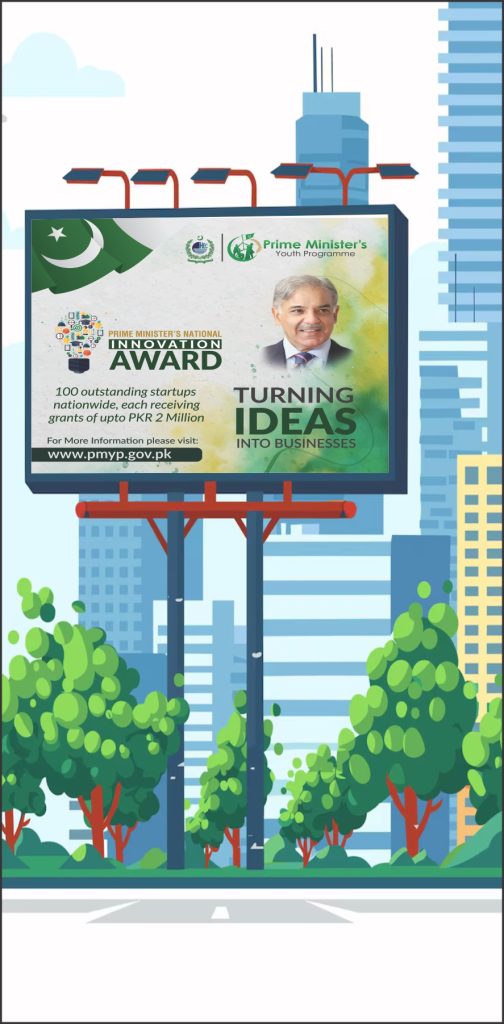
Billboards are large outdoor advertising structures that display commercial messages to a wide audience. The bill board they are typically placed in high-traffic areas along highways, major roads, and in densely populated urban areas. The bill board are designed to capture attention and deliver brief, impactful messages to a broad range of viewers.

Here are some key aspects related to billboards:

  1. Design and Creativity
  2. Location and Visibility
  3. Target Audience
  4. Message and Call-to-Action
  5. Outdoor Conditions
  6. Regulation and Permits
  7. Measurement and ROI

It’s worth noting that digital billboard advertising have gained popularity in recent years. These billboards use digital displays to showcase rotating advertisements, allowing for greater flexibility and dynamic content updates.

Posters

Posters are visual materials used for various purposes, such as advertising, promoting events, conveying information, or showcasing artwork. They typically consist of a combination of text, images, and graphics displayed on a flat surface, often in a larger format than regular printed materials.

  1. Design and Layout
  2. Purpose and Target Audience
  3. Content and Messaging
  4. Visual Elements
  5. Branding and Identity
  6. Printing and Production
  7. Distribution and Placement
  8. Call-to-Action

Posters are versatile marketing and communication tools that can have a significant impact when designed and executed effectively.

Hoardings

Hoardings, also known as billboards or outdoor advertising displays, are large advertising structures typically found in high-traffic areas such as highways, city centers, and busy streets. They are designed to grab attention and deliver powerful messages to a wide audience.

Here’s a sample advertising copy for hoardings:

  1. Capture Attention with Impactful Hoardings:
  2. Make a Bold Statement
  3. Reach a Wide Audience
  4. Unleash the Power of Creativity
  5. Long-lasting Impact
  6. Customizable Solutions

We understand that each brand is unique. That’s why our hoarding solutions are customizable to suit your specific advertising needs. Whether you require a single billboard or a network of displays, we have the flexibility to tailor our offerings to your requirements.

Don’t miss out on the opportunity to make a bold statement and reach a wide audience. Contact us today to discuss your hoarding advertising needs and let us help you amplify your brand’s visibility and impact!

Point-of-sale display

Are you looking for a powerful way to boost your product’s visibility and drive sales at the point of purchase? Our Point-of-Sale Displays are the solution you need. With their strategic placement and eye-catching design, our POS displays capture attention, engage customers, and increase brand awareness. Here’s why you should consider our POS displays:

  1. Increased Visibility
  2. Effective Product Showcase
  3. Influential Call-to-Action
  4. Customizable Solutions
  5. Easy Installation and Maintenance
  6. Trackable Results

Don’t miss out on the opportunity to increase your product visibility and drive sales at the point of purchase. Contact us today to discuss your POS display needs, and let us help you create impactful displays that elevate your brand and generate results!

Transit advertising

Public transportation vehicles, such as buses and rickshaws, can be wrapped with advertisements, turning them into moving billboards. This form of advertising is highly effective as it allows you to reach a wide audience as the vehicles navigate through various parts of the city.

Bus Shelters:

Bus shelters provide an opportunity for advertising as they are located in busy areas where people gather to wait for public transportation. Advertisements can be placed on the sides or back of the shelters, ensuring high visibility among pedestrians and commuters.

Digital Screens:

Digital screens and LED displays are becoming increasingly popular in Lahore and its great outdoors advertising.The ZAA Enterprises have an innovative outdoor advertising ideas these led screen for advertising outdoors are often placed in busy commercial areas, shopping malls, and entertainment centers. They offer dynamic and eye-catching advertising opportunities, allowing you to display visually appealing content and update your messages easily

Street Furniture:

Advertising can also be incorporated into street furniture, such as benches, kiosks, and information panels. Placing outdoor advertising in pakistan on these structures provides exposure to pedestrians and commuters in key locations.

Target Audience:

Advertisers in Pakistan typically target a broad audience, as the population is diverse in terms of age, income, and education.

Cost:

The cost of outdoor advertising in Pakistan varies depending on the type of advertising, 3d outdoor advertising led display screen, location, and duration of the campaign. However, outdoor advertising is generally more affordable compared to other forms of advertising such as television and print.

Local Cultural Sensitivities:

Advertisers must be mindful of local cultural sensitivities in Pakistan and ensure that their advertisements do not offend the local population. Overall, outdoor advertising in Pakistan offers a cost-effective way to reach a large and diverse audience. However, it is important for advertisers to follow local regulations and cultural sensitivities to ensure a successful campaign.

Outdoor advertising in Lahore, Pakistan, is a popular and effective way to reach a large audience. The city offers various outdoor advertising options to businesses and organizations looking to promote their products, services, or messages. Here are some common forms of outdoor advertising in Lahore.

Conclusion:

ZAA Enterprises is widely recognized as one of the best outdoor advertising agencies in Pakistan. With a remarkable track record and extensive experience in the industry, ZAA Enterprises has consistently delivered outstanding results for its clients. Their expertise lies in creating impactful and visually appealing outdoor advertising campaigns that effectively reach and engage the target audience. Whether it’s billboards, transit advertising, digital screens, or innovative installations, ZAA Enterprises utilizes state-of-the-art technology and creative strategies to maximize the impact of each campaign. Their strong network and strategic placement ensure maximum visibility and brand exposure. With a customer-centric approach and a dedicated team of professionals, ZAA Enterprises continues to set new benchmarks in the outdoor advertising industry in Pakistan. 

For all your Outdoor Media Campaign needs, look no further than ZAA Enterprises! We specialize in delivering impactful advertising solutions that captivate audiences and boost brand visibility. Our experienced team is ready to assist you in creating a successful campaign that reaches your target audience effectively.