
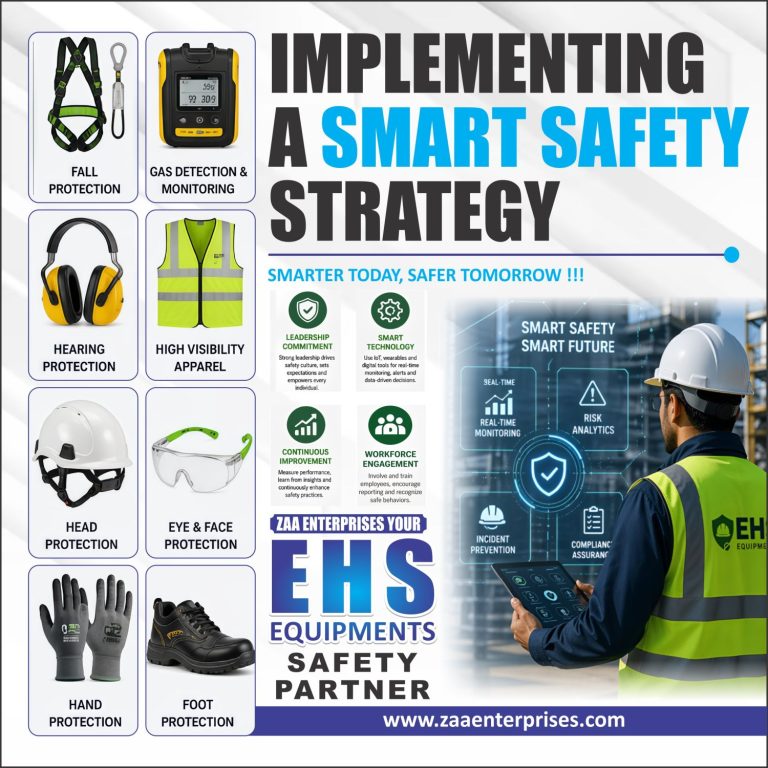
ZAA Enterprises is a trusted general order supplier providing high-quality printing, office supplies, and branding solutions for businesses across Pakistan
Explore the future of workplace safety. This guide covers the shift from passive gear to smart EHS Safety Equipments, including IoT wearables, AI analytics, and the latest 2026 regulatory updates.
Imagine a workplace where your safety vest vibrates gently to warn you of a toxic gas you cannot smell, where your hard hat alerts the rescue team automatically if you stop moving, and where your gloves track fatigue to prevent repetitive strain injuries.
This isn’t science fiction. It is the reality of the modern industrial revolution.
For decades, the world of Environmental, Health, and Safety (EHS) was reactive. We investigated accidents after they happened. We updated signage. We handed out static gear. But today, the landscape is shifting beneath our feet. The rise of the Internet of Things (IoT) and artificial intelligence is transforming EHS Safety Equipments from passive shields into active, intelligent guardians.
This post explores how cutting-edge technology and evolving regulations are rewriting the rules of staying alive on the job.
The industrial workplace is getting safer, but not fast enough. According to the Bureau of Labor Statistics, workplace injuries remain stubbornly persistent, with over 2.3 million cases reported recently . The financial toll is staggering; the National Safety Council estimates the total cost of work-related injuries reached nearly $176.5 billion in a single recent year.
However, the biggest driver of change isn’t just cost—it’s regulation.
We are currently witnessing a pivotal moment in legislative history. For years, a loophole existed in the construction industry: while general industry required properly fitting PPE, construction did not explicitly mandate it. That changed on January 13, 2026.
OSHA has officially closed the fit loophole. The new rule explicitly requires that EHS Safety Equipments in construction must properly fit each employee’s body type.
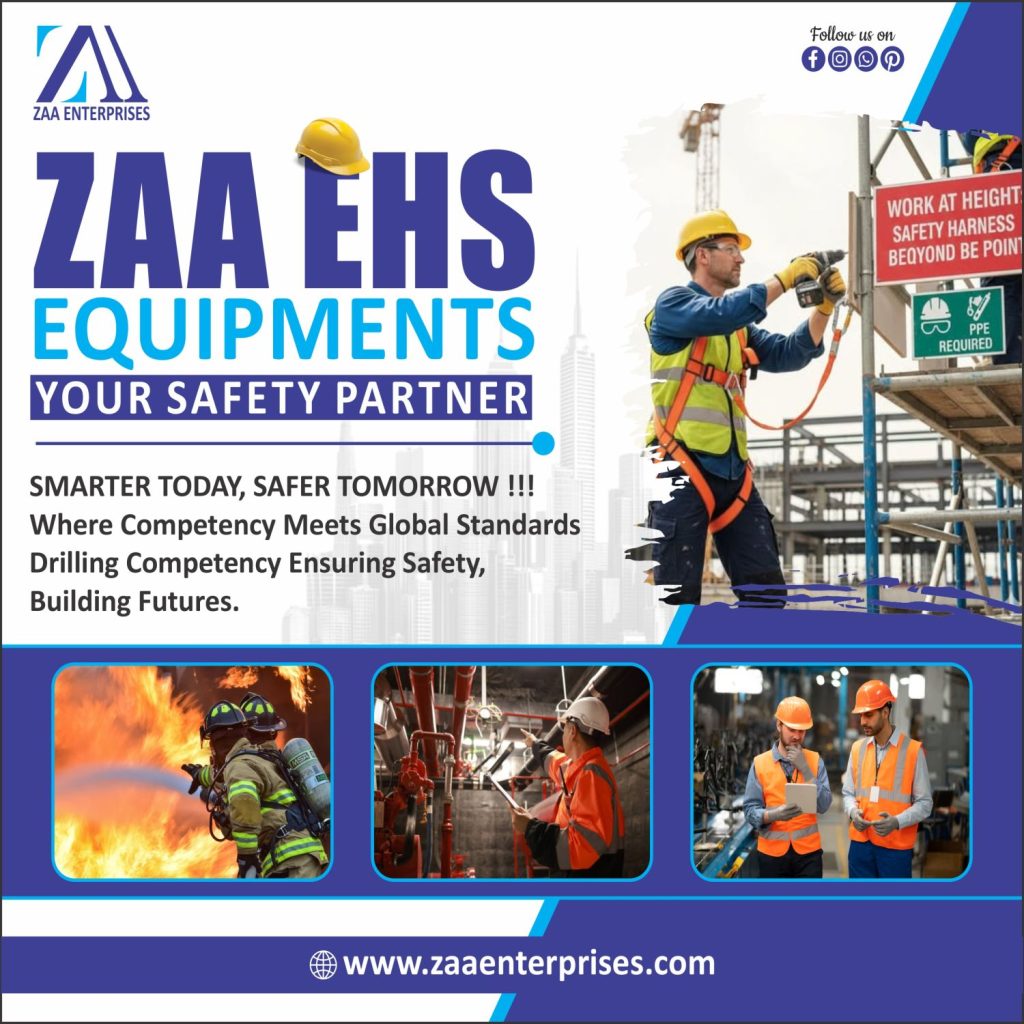
The most exciting evolution in EHS Safety Equipments is the death of the “lone worker.” Traditionally, PPE was a barrier: a hard plastic hat to block a falling wrench. Today, PPE is a node on a network.
The global market for smart PPE is exploding, projected to grow from $4.64 billion to nearly $9.73 billion by 2030 . This growth is fueled by the integration of IoT, sensors, and AI.
Fatigue is a silent killer. Research shows working 12-hour shifts increases injury risk by 37% .
“Struck-by” incidents are among the leading causes of death in construction and logistics.
Gas leaks and oxygen deficiency are invisible threats.
To visualize the shift, consider this comparison of standard gear versus modern smart alternatives:
Feature | Traditional PPE (The Barrier) | Smart PPE (The Connected System) |
Primary Function | Passive protection (Block impact/chemicals). | Active prevention & real-time alerting. |
Data Flow | Zero data. “Did it work?” is unknown. | Continuous data streaming to EHS dashboards. |
Fall Detection | Relies on the worker to push a “man down” button. | Automatic alert if the device detects immobility or impact. |
Fit Compliance | Often “one-size-fits-all” (usually men). | Data-driven sizing; adjustable alerts for ergonomics. |
Hazard Response | Protects against known hazards only. | Warns of unknown hazards (e.g., sudden gas leak). |
While innovation accelerates, regulators are scrambling to keep up. There is a fascinating tension in the air right now.
On one hand, agencies are pushing for better equipment. The recent ISEA petition (supported by the NSC and ASSP) urges OSHA to update its PPE standards, which currently reference testing methods from as far back as 1989 . They argue that safety regulations should reflect the materials and science of today, not the Cold War era.
On the other hand, there is a push for practicality. OSHA recently proposed removing a strict 2036 deadline for replacing ladder cages with personal fall arrest systems . This isn’t a step backward; it’s an acknowledgment that retrofitting every fixed ladder in America is economically crippling. It allows companies to upgrade during natural replacement cycles rather than through costly emergency retrofits.
Compliance is no longer just about having the gear on the shelf. It is about:
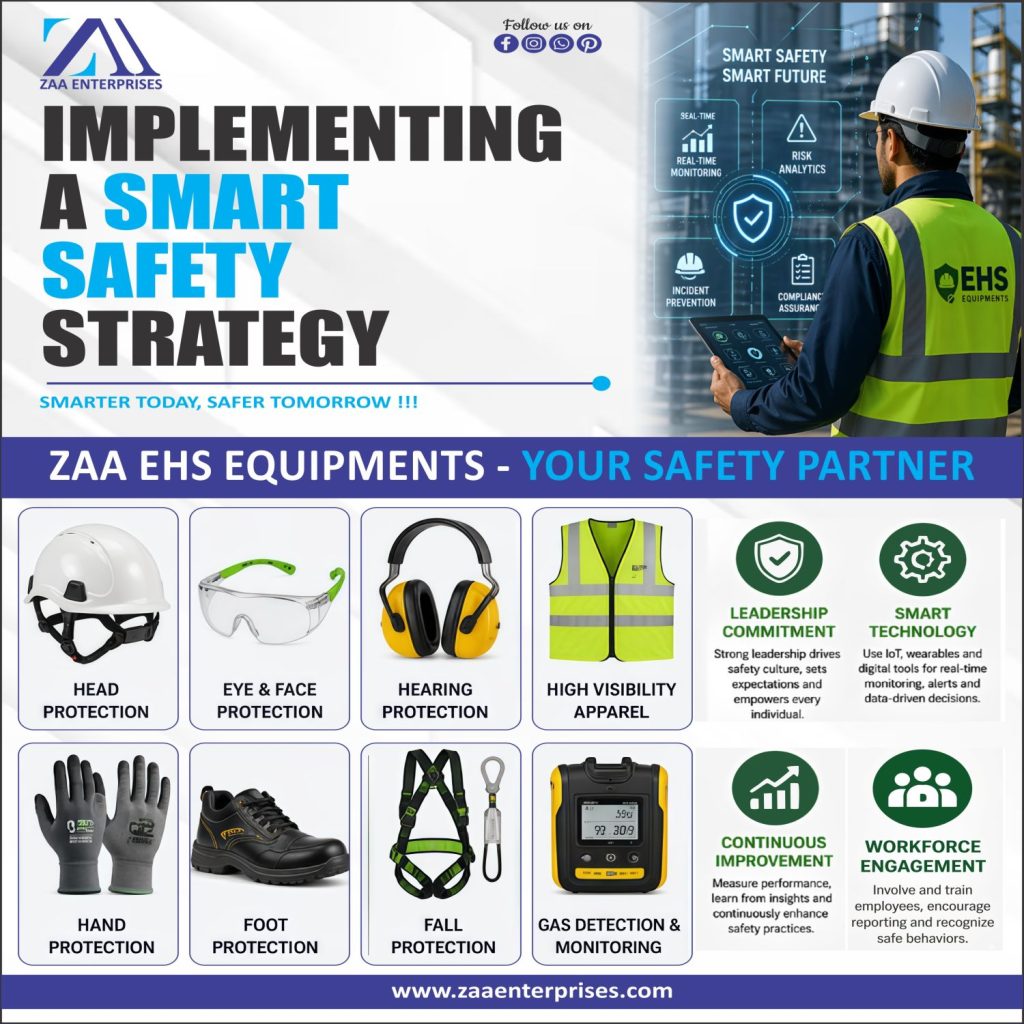
If you are looking to upgrade your EHS Safety Equipments inventory, avoid the temptation to buy the shiniest gadget. A successful strategy follows a hierarchy:
If you are looking to upgrade your EHS Safety Equipments inventory, avoid the temptation to buy the shiniest gadget. A successful strategy follows a hierarchy:
Technology is a phenomenal amplifier, but it is not a replacement for culture. A smart helmet won’t save a distracted worker who ignores its alarm. A perfect-fitting harness won’t help if it is left in the truck.
The revolution of EHS Safety Equipments is about closing the gap between “being safe” and “feeling safe.” It’s about giving workers the tools to listen to their bodies and giving managers the data to listen to their workforce.
We are moving toward a world where zero harm is not just a slogan—it is a data-driven probability. The gear on your back is getting smarter. It’s time your safety strategy did, too.
Don’t wait for an OSHA citation to review your gear. Ensure your current equipment meets the new 2026 construction standards. Have you introduced wearables to your job site? Share your experience in the comments below
Copy Rights @ 2025 By ZAA Enterprises | Design By: Abex Technologies